
Software maintenance
When the Safe Fix Is Not an Upgrade
IBM and Red Hat have made Lightwell Clearinghouse generally available, creating a paid path to version-specific backports when replacing a vulnerable dependency would itself be too disruptive.
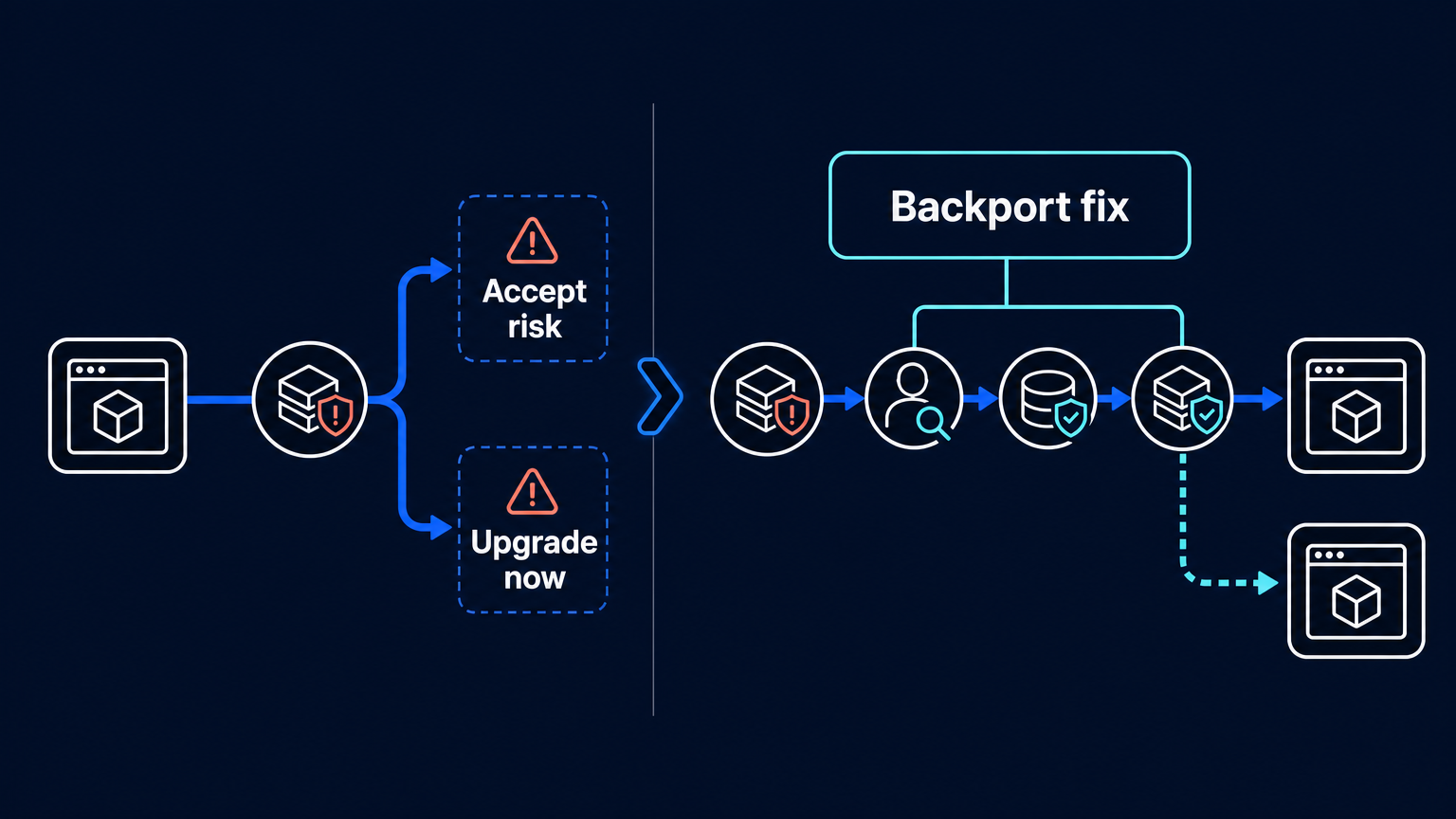
A vulnerable dependency does not always present an enterprise with a clean upgrade path. A newer release may break an integration, reset a certification process, trigger a long audit, disrupt a tightly controlled release train or introduce operational uncertainty into a system that cannot easily be stopped. In those cases, the apparent choice between accepting exposure and upgrading immediately is incomplete.
IBM and Red Hat are trying to establish a third option: pay for a version-specific remediation that preserves the dependency version already in production. On October 6, the companies made Lightwell Clearinghouse generally available as a selective service for eligible organizations with approved scope. They also reported that Lightwell has uncovered, remediated and backported fixes for more than 400 previously unknown bugs in widely deployed Java software.
The reported milestone is meaningful, but it needs careful reading. IBM and Red Hat have not published a complete vulnerability list, validation dataset, severity breakdown or evidence that all fixes have been accepted upstream or deployed by customers. The 400-plus figure is a company-reported remediation milestone, not an independently verified inventory of CVEs or exploitable flaws.
The change is a maintenance option, not another scanner
Lightwell was initially announced in May 2026. The October update changes the practical offer in two ways: Clearinghouse is now generally available, subject to eligibility and approved scope, and IBM and Red Hat have disclosed their first reported remediation result. Customers can submit particular vulnerabilities and packages for priority review, vulnerability verification, remediation and disclosure coordination.
That is different from a service that merely identifies a vulnerable component. The stated service model combines specialist review, patch development, backporting, secure distribution and coordination with upstream projects. Customers receive remediated artifacts through secured Lightwell repositories, designed to sit alongside public open-source repositories in existing software-delivery workflows.
For an engineering leader, the unit of decision is therefore not simply a vulnerability alert. It is a constrained maintenance case: this application needs this dependency version; changing that version now carries a known compatibility, certification, audit, release or uptime risk; and a reviewed fix may be preferable to a broad replacement. That is a real category of work in large estates, particularly where old Java dependencies remain embedded in revenue, regulated or operationally sensitive systems.
Backporting changes the decision sequence
A normal upgrade remains the right answer in many cases. It may bring maintained code, other defect fixes and a clearer future support path. Lightwell does not remove the need to modernize an estate, test changes or maintain customer release controls. Nor is every organization, package or vulnerability eligible for Clearinghouse work.
But for the cases that qualify, backporting allows the security decision to be separated from the full platform-change decision. Instead of asking whether a team can safely absorb every consequence of moving to a new dependency release this quarter, it can ask whether a narrowly scoped patch for its deployed version is technically sound, operationally acceptable and worth buying.
That separation matters because delayed upgrades are often rational rather than careless. A dependency can sit inside a validated product configuration, a vendor-supported appliance, a regulated workflow or an integration network where every changed interface creates downstream work. Treating all delayed upgrades as simple hygiene failures misses the operating conditions that created them. The relevant question is not whether the version is old. It is whether the organization has a credible, timely and testable remediation path for the risk at hand.
Procurement now needs an acceptance case
The annual subscription model turns that remediation path into a procurement decision. Lightwell has a broader Network offering and a higher-touch Clearinghouse offering. The useful buyer question is not whether every legacy dependency deserves specialist treatment. It is which constrained dependencies create enough business risk, upgrade friction and exposure to justify a paid route to a version-specific fix.
Before introducing a patched artifact into production, a buyer should require a concrete acceptance case. It should establish the exact affected package and deployed version, the scope of the claimed issue, the changes contained in the supplied artifact, its provenance and repository controls, and the relationship between the patch and any responsible-disclosure or embargo conditions. It should also identify the regression tests, application owners, release window and rollback approach required locally. A backport lowers one form of change risk; it does not suspend ordinary engineering responsibility.
- Confirm that the affected dependency and production version are inside the approved service scope.
- Ask what was verified about the issue, while avoiding assumptions about severity or exploitability that the provider has not documented.
- Assess the patch as a production change: compatibility, regression coverage, release approval and rollback still belong to the customer.
- Record artifact provenance, repository access controls and the operational process for replacing or withdrawing the remediation.
- Separate the immediate patch decision from the longer-term decision to upgrade, replace or retire the dependency.
Human engineering remains part of the service
The companies describe Lightwell as a combination of AI-assisted engineering workflows, IBM and Red Hat engineers, community relationships, build infrastructure and secure software-supply-chain processes. That distinction matters. This is not a claim of autonomous vulnerability discovery and repair. The value proposition is organized expert maintenance work, with AI assisting a broader human and technical system.
Where applicable, fixes are intended to be contributed back to upstream projects under responsible-disclosure procedures. Clearinghouse participants may retain embargo protections while that process runs. This can make the service useful where a company needs to act on a verified issue before the wider disclosure and upstream-release cycle is complete. It does not mean every fix is already public, upstreamed or universally available.
A more realistic choice for hard-to-move systems
The important news is not that enterprises can avoid upgrades indefinitely. It is that IBM and Red Hat have productized an intermediate maintenance strategy for approved cases: diagnose a specific problem, develop a version-specific repair, distribute it through a controlled repository and coordinate disclosure. That is a materially different operating option from either ignoring a vulnerability report or forcing an immediate dependency transition.
Security, platform and procurement teams should use it selectively. The strongest candidates are not merely the oldest packages. They are the dependencies where exposure is credible, an upgrade is currently disruptive, ownership is clear and the organization can test and govern a supplied patch. Lightwell offers a way to buy time and reduce a specific risk. It is not a substitute for a modernization plan; it is a disciplined bridge across a maintenance constraint.

